
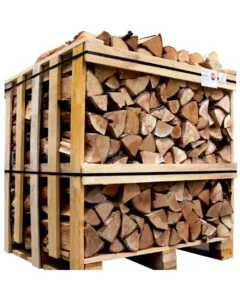
When winter begins to ease, many households find they still have some firewood left in storage. That is not necessarily a problem, but leftover fuel should not simply be forgotten until the next cold season. Spring is a useful time to inspect what remains, reorganise the storage area, and decide which stock should be kept, used sooner, or replaced later. A little attention now can help preserve fuel quality and make preparation for the following winter much easier.
Inspect What Is Still in Storage
Start by checking the remaining fuel rather than assuming everything is in the same condition. Look for dampness, mould, damaged packaging, or areas where rain may have entered the store. Logs that have stayed dry and well-ventilated can often remain suitable for future use. It is also worth checking the bottom and back of the stack. These areas are easy to overlook and may be more exposed to ground moisture or poor airflow than the fuel at the front.
Separate Fuel by Condition
If some logs appear drier than others, separating them can make future use simpler. Fuel that is in good condition can be stacked together for storage through the warmer months. Any logs that feel damp should be kept apart so their condition can be monitored.
This prevents poorer-quality pieces from becoming mixed into the main supply. A simple separation system also makes it easier to know which fuel should be used first when the stove is lit again later in the year.
Improve the Store While Demand Is Low
Spring is often the best time to make changes to a fuel store. During winter, homeowners may avoid reorganising the area because the supply is being used constantly. Once demand drops, there is more room to inspect the base, roof, side panels, and surrounding ground.
Repair loose covers, improve drainage, or add a raised platform if needed. Even small improvements can help protect the remaining fuel during wet spring and summer weather.
Do Not Seal Logs Away
It may seem sensible to cover leftover logs completely once the heating season finishes, but this can trap moisture. Wood benefits from ventilation even when it is not being used regularly. A sheltered area with airflow is generally more suitable than wrapping the entire stack tightly in plastic. Protect the top from heavy rain while allowing the sides to breathe. This helps reduce the risk of damp air becoming trapped around the fuel for several months.
Check Pellet Bags Carefully
Leftover wood pellets also need attention at the end of the heating season. Inspect bags for tears, moisture, or swelling. Pellets that remain dry and sealed can be stored for future use, but damaged packaging should not be ignored.
Keep the bags off concrete or other potentially damp surfaces. A dry shelf, pallet, or protected storage area can help maintain their condition until the appliance is needed again.
Record How Much Fuel Remains
Knowing what is left can make next winter’s ordering more accurate. A simple note showing the approximate number of logs, bags, or stacks remaining is enough. There is no need to count every piece. This information can help homeowners avoid over-ordering when autumn returns.
If a large amount of fuel remains every year, it may be a sign that the household is consistently buying more than it actually needs.
Use Older Stock First Next Season
Leftover fuel should normally be positioned so it can be used before new deliveries. If fresh stock is placed directly in front of older logs, the earlier supply may remain untouched for another year. This can create unnecessary clutter and make stock rotation difficult.
Label sections if necessary or keep older fuel in a clearly accessible area. A straightforward first-in, first-out system can prevent good fuel from being forgotten at the back of the store.
Clean the Surrounding Area
Once winter ends, the fuel store often contains bark, dust, broken pieces, and damaged packaging. Removing this debris makes the area easier to inspect and keeps the storage space more organised. It also helps reveal damp patches, leaks, or damaged flooring that may otherwise remain hidden.
A clean store is easier to prepare for the next delivery. Spring cleaning therefore serves a practical purpose rather than simply making the space look tidier.
Conclusion
Leftover fuel at the end of winter can remain useful if it is stored carefully and checked before being forgotten for several months. Inspecting logs, protecting pellet bags, improving ventilation, cleaning the storage area, and recording remaining stock can all make the next heating season easier to manage. By treating spring as part of the fuel-management cycle, homeowners can reduce unnecessary waste, protect what they have already purchased, and begin the following winter with a more organised and dependable supply.